Glencore has increased its hold on Democratic Republic of Congo’s copper and cobalt resources by buying the remaining stake in the Mutanda mine from resource group Fleurette and increasing its share in Katanga for a total of $960 million.
Blog
Biodiversity, SEK SA implements its conservation priority species management plan on its mine site in DRC-Katanga.
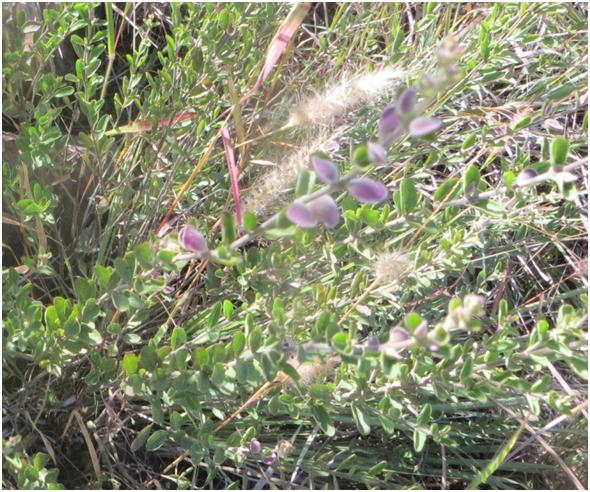
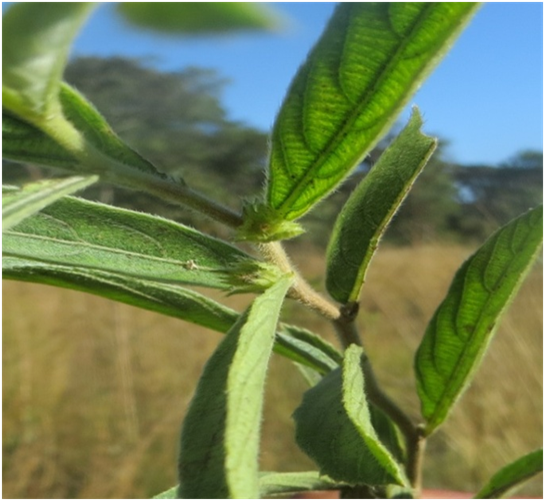
Tinnea coerulea Gürke var. coerulea (Photo : SEK) The Katangan copper arc, which extends over the provinces of Upper Katanga and Lualaba in the Democratic Republic of Congo, is an area known for its numerous deposits of copper and cobalt (and other metals of economic interest). These appear on the surface in the form of hills covered by a short herbaceous vegetation constituted by a set of species particularly adapted to the high concentrations of copper and cobalt in the soil. This flora unique in the world is called the…
Biodiversité, SEK SA met en œuvre son plan de gestion des espèces prioritaires protégées sur son site minier en RDC-Katanga.
L’arc cuprifère katangais, qui s’étale sur les provinces du Haut-Katanga et du Lualaba en République Démocratique du Congo, est une région connue pour ses nombreux gisements de cuivre et de cobalt (et d’autres métaux d’intérêts économiques). Ceux-ci apparaissent en surface sous formes de collines couvertes par une végétation herbacée courte constituée par un ensemble d’espèces particulièrement adaptées aux fortes concentrations en cuivre et en cobalt dans le sol.
Des échappatoires dans le régime fiscal du Mali en font un aimant pour le commerce illicite de l’or en Afrique de l’Ouest
Il est urgent d’exercer une diligence raisonnable sur l’or de l’Afrique de l’Ouest, comme en témoigne un nouveau rapport qui révèle des écarts dans les statistiques sur la production et sur le commerce entre le Mali et les EAU OTTAWA, Canada, 26 janvier 2017/ — Les pratiques fiscales du Mali applicables aux exportations d’or font de ce pays la plaque tournante du commerce illicite de l’or en Afrique de l’Ouest, selon un rapport de Partenariat Afrique Canada (www.PACweb.org) publié aujourd’hui.
Freeport-McMoRan paid Congo’s Gécamines $33 million to settle Tenke dispute
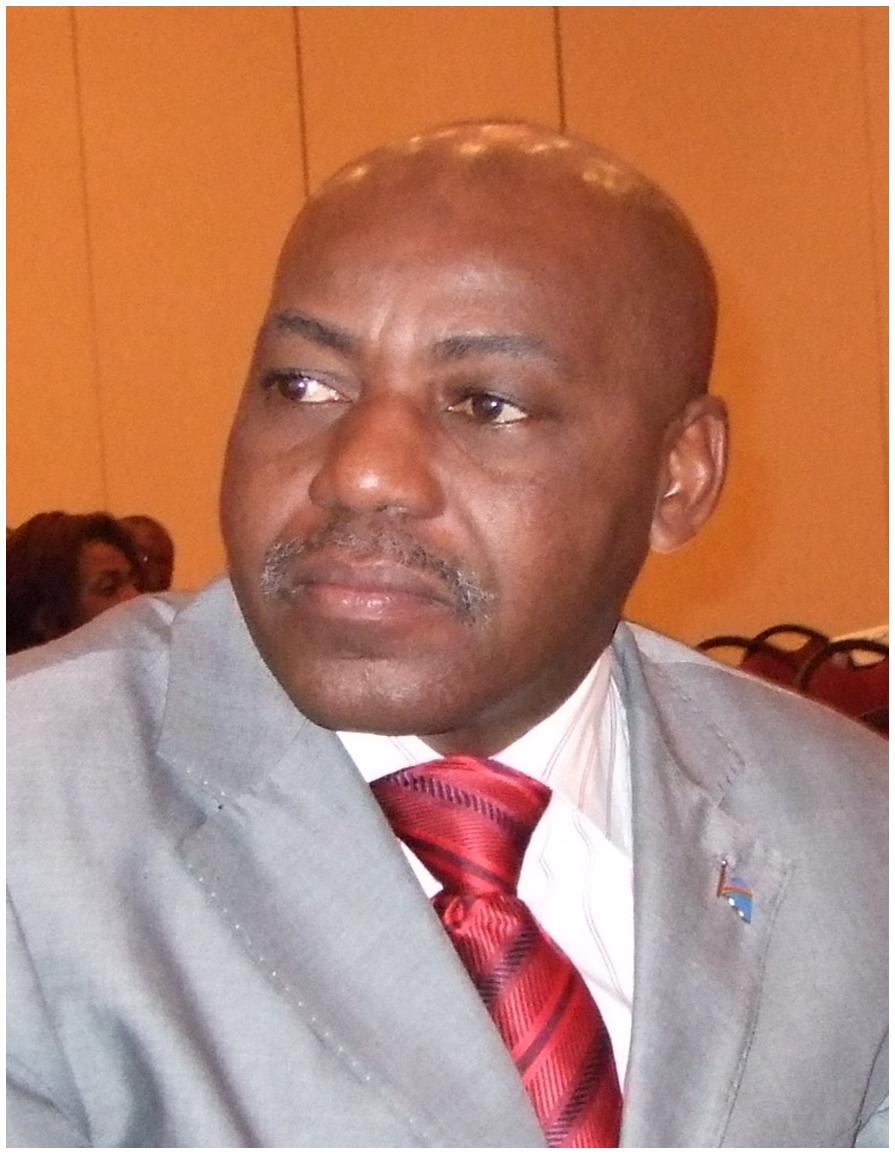
Martin Kabwelulu, DRC Mines Minister (LGE & MNM Picture) KINSHASA Freeport-McMoRan Inc (FCX.N) paid $33 million to resolve claims brought against it by Congo state miner Gécamines over the sale of its majority stake in the Tenke copper mine to China Molybdenum Co Ltd (CMOC) (603993.SS), it said in a statement.
Tiger Resources studies viability of producing cobalt at DRC mine
Logo de la Société d’Exploitation de Kipoi JOHANNESBURG (miningweekly.com) – Growing global demand for cobalt has prompted Australia-based Tiger Resources to examine the possibility of converting its resources at the Kipoi mine, in the Democratic Republic of Congo (DRC), to a saleable product.
DR Congo’s Government Drops VAT on Imports for Mining Companies
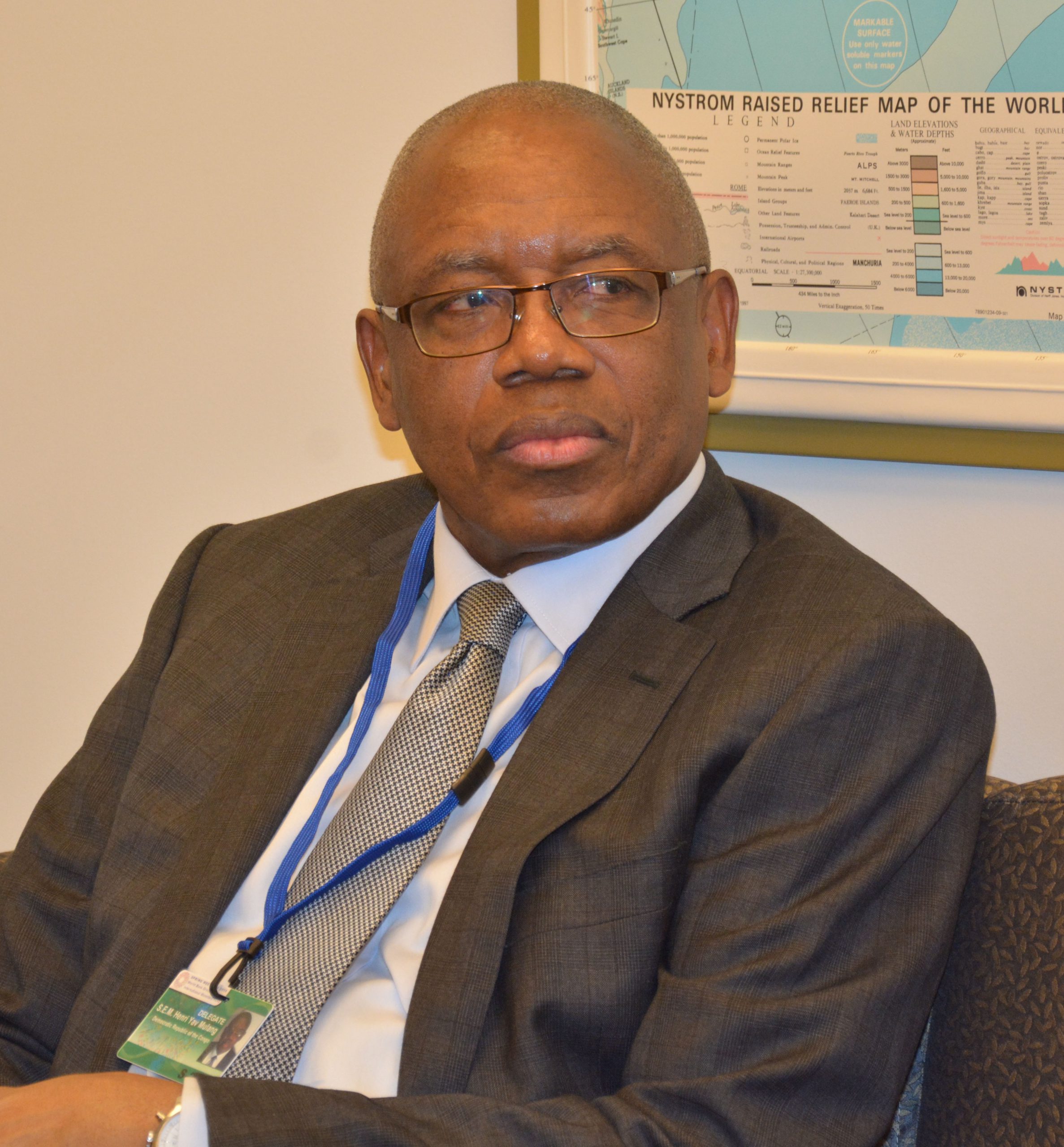
DRC Finances Minister Henry Yav Mulang (Photo: Forum des As) Democratic Republic Congo will suspend value-added tax on imports for mining companies to ease the operating conditions for struggling miners, Finance Minister Henri Yav Mulang said.
CBM-TEC, Kitwe & DRC Mining Week, Lubumbashi 2016
Follow, register and attend CBM-TEC (12-13 May 2016, Kitwe-Zambia) & DRC Mining Week (7-10 June 2016, Lubumbashi-DRC) with Mining News Magazine & sur www.cbm-tec.com & www.drcminingweek.com
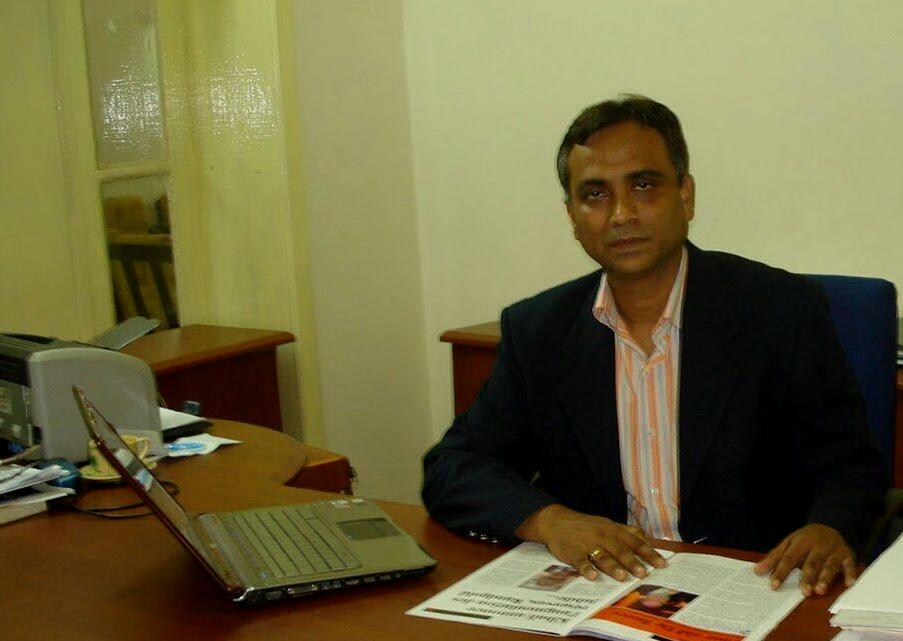
Navin Dalmia, CEO of Rubamin and Rubaco, subsidiaries of the Indian Zinc oxide and Cobalt multinational in DR Congo, answered herein to MNM questions by Parfait Barack and Ben Nkaya on different issues.
Navin Dalmia, CEO of Rubamin and Rubaco, subsidiaries of the Indian Zinc oxide and Cobalt multinational in DR Congo Mister Navin Dalmia, you are the CEO of Rubamin and Rubaco in DRC. May you shortly introduce your companies and its fields in the country? Are you working legally?
ENERGIE : KIPAY a vendu son projet hydroélectrique de Kawa et Sombwe (RDC) à Mining Indaba 2016 à Cape-Town
Chutes de Kawa et Sombwe dans le Grand Katanga (Photo : Kipay Energy) L’énergie électrique donne aux sociétés industrialisées leur force d’impulsion. Lorsque l’électricité est disponible continuellement et dans les quantités requises, plusieurs biens peuvent être produits et transportés, ainsi que la satisfaction des besoins humains fondamentaux.